
- Market • Remote & Off Grid
Design for the full cost of being remote.
Energy architectures for remote assets where fuel logistics, reliability, maintenance access and autonomy determine the real cost of power.
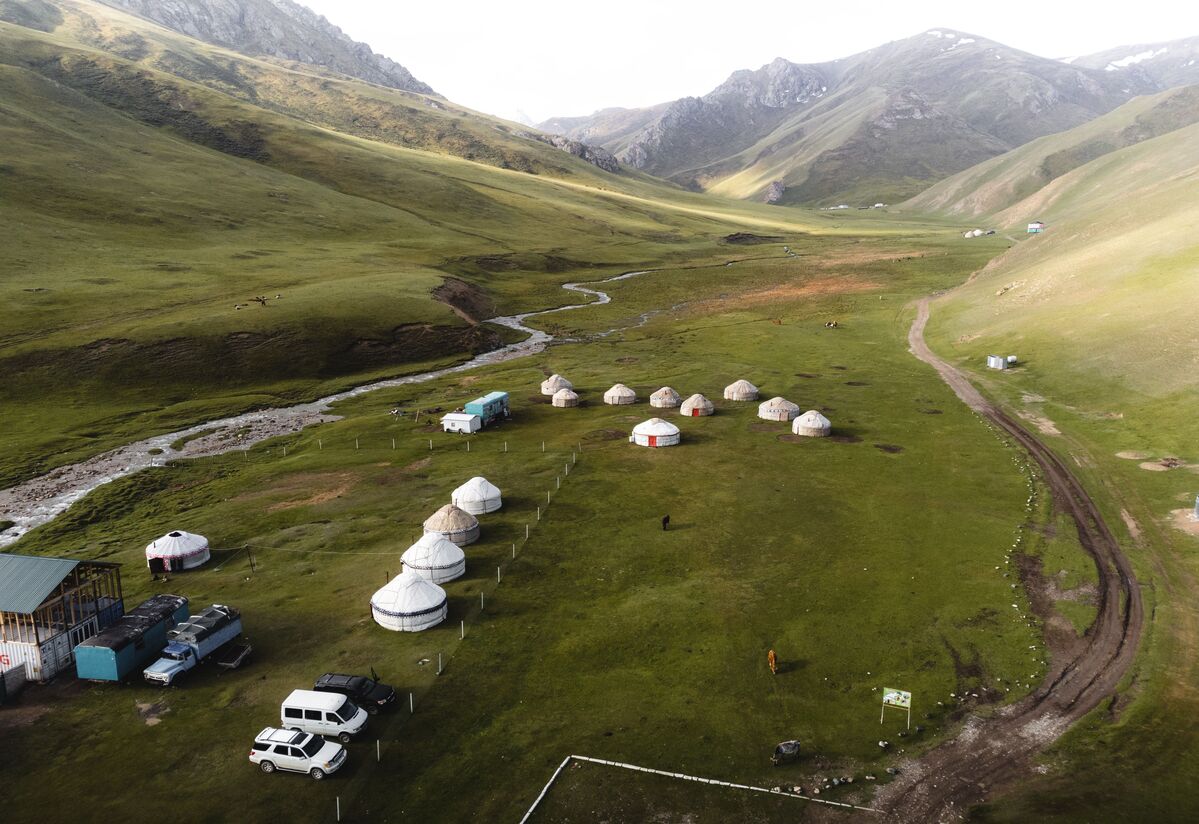
Resilience & Fuel Drivers
Remote power economics are governed by fuel logistics, generator utilisation, maintenance access, critical loads, communications and the consequences of supply interruption.
Renewable generation earns its place when it reduces fuel exposure without compromising power quality, dispatchability or maintainability.
01 / Load & Commercial Reality
What matters beyond generation cost
- Fuel transport and storage can become major lifecycle constraints.
- Critical loads determine the required level of continuity and autonomy.
- Limited access makes equipment simplicity, spares and remote support more important.
- Temperature, weather, communications and logistics influence real-world availability.
02 / Hybrid Operating Strategy
How renewable assets earn their place
- Use solar and wind where local resource data supports dependable contribution.
- Size BESS around critical loads, autonomy objectives and cycling requirements.
- Coordinate diesel generators with renewable generation instead of operating separate systems.
- Prioritise remote monitoring, modular equipment and clear operating modes.
Technology fit
Design the power mix around what cannot be allowed to fail.
Renewable generation earns its place when it reduces fuel exposure without compromising power quality, dispatchability or maintainability.
| Project Requirement | Potential Pathway | What To Validate |
|---|---|---|
| Daytime energy demand | Solar PV | Solar resource · load coincidence · site footprint |
| Complementary renewable supply | Small wind | Wind resource · turbulence · access · maintenance |
| Short-duration support | BESS | Critical load · duration · cycling · temperature |
| Existing diesel generation | Diesel synchronisation + controls | Minimum loading · ramping · protection · fuel strategy |
| Critical-load continuity | Microgrid + load prioritisation | Black-start · transfer · protection · control modes |
| Difficult service access | Remote monitoring + modular design | Communications · spares · diagnostics · field service |
Wattlas role
Wattlas builds a practical pathway from diesel dependence to hybrid operation
Wattlas assesses the existing generation fleet, load profile, renewable resource and logistics to define practical hybrid microgrid pathways, including solar, small wind, BESS, generator synchronisation, controls and remote monitoring.
Critical-load definition
Prioritise loads and operating continuity
Fuel and generation assessment
Understand the existing generation regime
Hybrid technology screening
Test renewable, storage and control options
Remote O&M and service planning
Plan serviceability, spares and local support
Project Development
Share the site location, existing generators, fuel consumption, critical loads, operating hours, communications and maintenance constraints
Wattlas can assess an off-grid solar, wind, BESS or hybrid microgrid pathway.