- Market • Water Infrastructure
Use the water asset as part of the energy design.
Energy systems that use reservoirs, canals, pumping assets and water infrastructure as part of the project architecture.
Water-Energy Drivers
Water infrastructure creates renewable-energy opportunities where land, water operations, pumping demand, grid access and environmental conditions must be considered together.
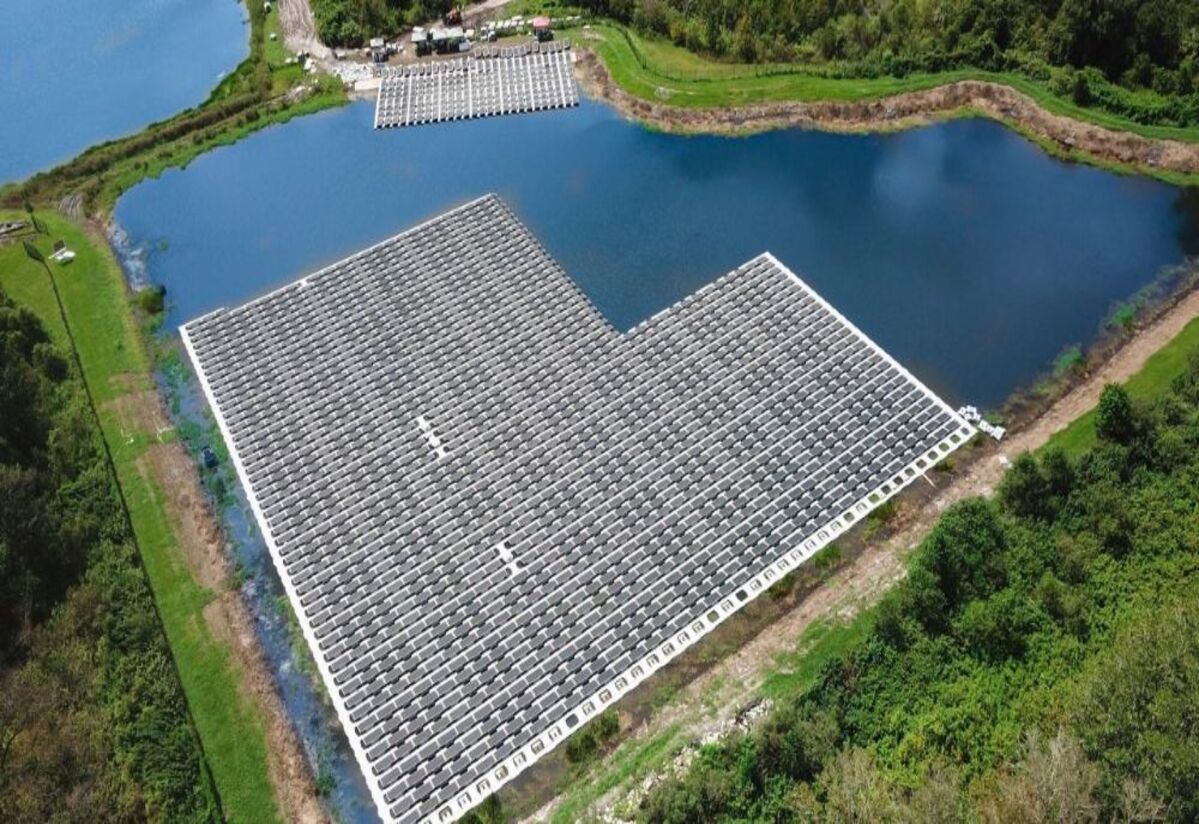
Reservoirs, canals, irrigation systems and water-treatment assets can provide generation sites or energy loads, but feasibility depends on waterbody geometry, anchoring, water-level variation, electrical evacuation and operating interfaces.
01 / Water Asset Conditions
What the site itself determines
- Waterbody geometry and operating levels define where floating systems can be deployed.
- Pumping schedules create electrical demand that can align with renewable generation.
- Hydraulic head, flow and seasonality determine whether hydro opportunities are viable.
- Civil, hydraulic, electrical and environmental interfaces must be assessed together.
02 / Resource-to-Load Matching
How renewable generation can fit
- Evaluate FPV against waterbody use, anchoring, grid access and maintenance requirements.
- Match solar generation with pumping duty cycles and storage opportunities.
- Screen canal and small hydro from measured or credible head and flow conditions.
- Coordinate pumps, generation, storage, controls and monitoring around the operating asset.
Technology fit
Turn the characteristics of the water asset into the project design criteria.
Reservoirs, canals, irrigation systems and water-treatment assets can provide generation sites or energy loads, but feasibility depends on waterbody geometry, anchoring, water-level variation, electrical evacuation and operating interfaces.
| Project Requirement | Potential Pathway | What To Validate |
|---|---|---|
| Reservoir surface | Floating PV | Geometry · anchoring · wind/waves · water-level variation |
| Irrigation demand | Solar pumping | Pump curve · duty cycle · solar resource · controls |
| Canal energy | Canal hydro | Head · flow · civil interface · debris · seasonality |
| Water utility load | Solar + BESS | Load profile · tariff · critical loads · cycling |
| Distributed water assets | Microgrid + EMS | Pump priority · protection · telemetry · dispatch |
| Multiple water sites | Monitoring + analytics | Metering · alarms · data quality · remote access |
Wattlas role
Wattlas links the water asset, renewable technology and project pathway
Wattlas screens reservoirs, canals, pumping systems and water assets for FPV and complementary renewable opportunities, connecting site assessment with technology evaluation, stakeholder coordination, grid evacuation and project development.
Waterbody and site screening
Assess available surface and site constraints
Pump / hydraulic assessment
Understand flow, head and operating schedules
FPV and distributed-generation evaluation
Compare suitable generation pathways
Civil, electrical and delivery coordination
Coordinate infrastructure interfaces
Project Development
Share the reservoir or canal location, waterbody area, water-level range, pumping or load profile, existing electrical infrastructure and operating constraints
Wattlas can assess FPV, solar pumping, hydro-solar and storage pathways.